An e-commerce marketing strategy is a comprehensive plan designed to attract, engage, and convert online shoppers into loyal customers. It combines digital marketing tactics-like SEO, email campaigns, social media advertising, and content marketing, to drive traffic, boost sales, and build brand authority in competitive online marketplaces. Without a clear strategy, even the most beautifully designed online store can struggle to generate consistent revenue.
Today’s consumers expect personalized, seamless shopping experiences across devices and platforms. A well-structured e-commerce marketing strategy ensures your brand meets those expectations while standing out from competitors. Whether you’re selling handmade jewellery, tech gadgets, or subscription boxes, your strategy should align with your business goals, target audience, and unique value proposition.
From optimizing product pages to leveraging customer data for retargeting, every element of your approach should work together cohesively. And with tools like Variation Swatches for WooCommerce and Additional Variation Images Gallery For WooCommerce, you can enhance user experience directly on your product pages, making it easier for shoppers to visualize options and complete purchases.
Core Components of a Winning E-commerce Marketing Strategy
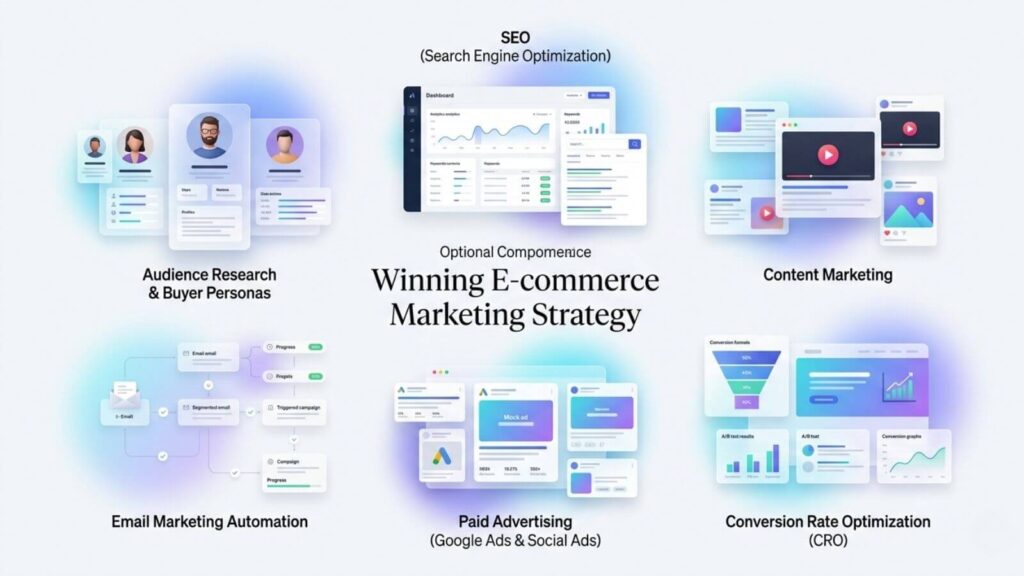
Building an effective e-commerce marketing strategy isn’t about throwing every tactic at the wall to see what sticks. It’s about selecting the right mix of channels and techniques that align with your audience’s behavior and your business objectives. Below are the essential components every successful strategy includes:
1. Audience Research and Buyer Personas
Before launching any campaign, you need to understand who your ideal customers are. Create detailed buyer personas based on demographics, shopping habits, pain points, and motivations. Use analytics tools like Google Analytics or Facebook Audience Insights to gather real data.
For example, if you sell eco-friendly baby products, your primary persona might be a sustainability-conscious parent aged 28-40 who shops via mobile and values transparency in sourcing. Tailoring your messaging to this persona increases relevance and conversion rates.
2. Search Engine Optimization (SEO)
SEO drives organic traffic-your most cost-effective long-term lead source. Optimize product titles, descriptions, meta tags, and URLs with relevant keywords like “organic cotton baby onesies” or “wireless noise-cancelling headphones.”
Don’t forget technical SEO: ensure fast loading speeds, mobile responsiveness, and clean site architecture.
3. Content Marketing
High-quality content builds trust and authority. Publish blog posts, how-to guides, product comparisons, and user-generated content that answer common customer questions.
For instance, a skincare brand might write “5 Signs Your Skin Needs Hyaluronic Acid” or “How to Layer Serums for Maximum Hydration.” This not only ranks well in search engines but also nurtures leads through the funnel.
4. Email Marketing Automation
Email remains one of the highest-ROI channels in e-commerce. Use segmented campaigns for cart abandoners, first-time buyers, and loyal customers.
Automated flows like welcome series, post-purchase follow-ups, and re-engagement emails keep your brand top-of-mind. Personalize subject lines and product recommendations using past purchase data to increase open and click-through rates.
5. Paid Advertising (PPC & Social Ads)
Google Shopping Ads and Meta (Facebook/Instagram) campaigns let you target users actively searching for products like yours. Use dynamic ads to retarget visitors who viewed specific items but didn’t buy.
Set clear KPIs-cost per acquisition (CPA), return on ad spend (ROAS)-and continuously A/B test creatives, audiences, and landing pages for optimization.
6. Conversion Rate Optimization (CRO)
Traffic means nothing if visitors don’t convert. Audit your checkout flow, simplify forms, add trust badges, and reduce friction points.
One powerful CRO tactic? Improve product visualization. With Variation Swatches for WooCommerce, customers can instantly see color, size, or material options as clickable swatches instead of dropdown menus—speeding up decision-making and reducing confusion.
How to Build Your E-commerce Marketing Strategy Step-by-Step
Now that you know the core components, let’s walk through a practical framework to build your strategy from scratch or refine an existing one.
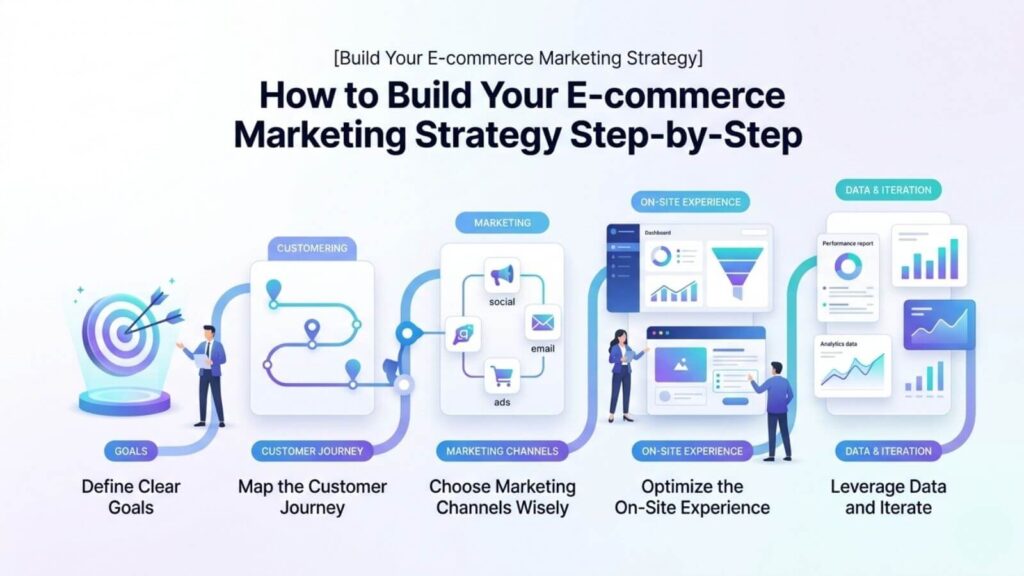
Step 1: Define Clear Goals
Start with SMART goals: Specific, Measurable, Achievable, Relevant, Time-bound. Examples:
- Increase monthly revenue by 25% within 6 months
- Reduce cart abandonment rate from 70% to 50% in 3 months
- Grow email list by 1,000 subscribers per month
Your goals will dictate which tactics to prioritize. Revenue growth might focus on paid ads and upselling, while list building leans into lead magnets and pop-ups.
Step 2: Map the Customer Journey
Identify touchpoints from awareness to advocacy:
- Awareness: Social media, blog content, influencer mentions
- Consideration: Product pages, comparison guides, reviews
- Purchase: Checkout experience, payment options, shipping clarity
- Retention: Post-purchase emails, loyalty programs, referral incentives
Each stage needs tailored messaging and offers. For example, a first-time visitor sees a 10% discount pop-up, while a returning customer gets a “Complete Your Look” recommendation.
Step 3: Choose Your Channels Wisely
Not all platforms deserve equal attention. Focus on where your audience spends time:
- Google & Bing: For high-intent shoppers using search
- Instagram & TikTok: For visual, trend-driven products (fashion, beauty, home decor)
- Email: For nurturing existing relationships
- Influencer Partnerships: For credibility in niche markets
Test 2-3 channels deeply before expanding. Quality over quantity always wins.
Step 4: Optimize the On-Site Experience
Your website is your digital storefront. Ensure it’s fast, intuitive, and conversion-focused.
Key optimizations include:
- Clear product titles and benefit-driven descriptions
- High-resolution images with zoom functionality
- Easy navigation and filtering (e.g., by size, color, price)
- Mobile-first design with sticky add-to-cart buttons
Plugins like Additional Variation Images Gallery For WooCommerce let you showcase multiple images per variation—so a customer choosing a red dress sees all red options instantly. This reduces hesitation and increases add-to-cart rates.
Step 5: Leverage Data and Iterate
Track KPIs monthly: conversion rate, average order value (AOV), customer lifetime value (CLV), and traffic sources.
Use heatmaps (Hotjar) and session recordings to spot UX issues. Run A/B tests on headlines, CTAs, and layouts. Then, double down on what works and pause underperforming efforts.
Real-World Use Cases: How Brands Use E-commerce Marketing Strategies Successfully
Let’s look at how real businesses apply these principles and where smart tools make a difference.
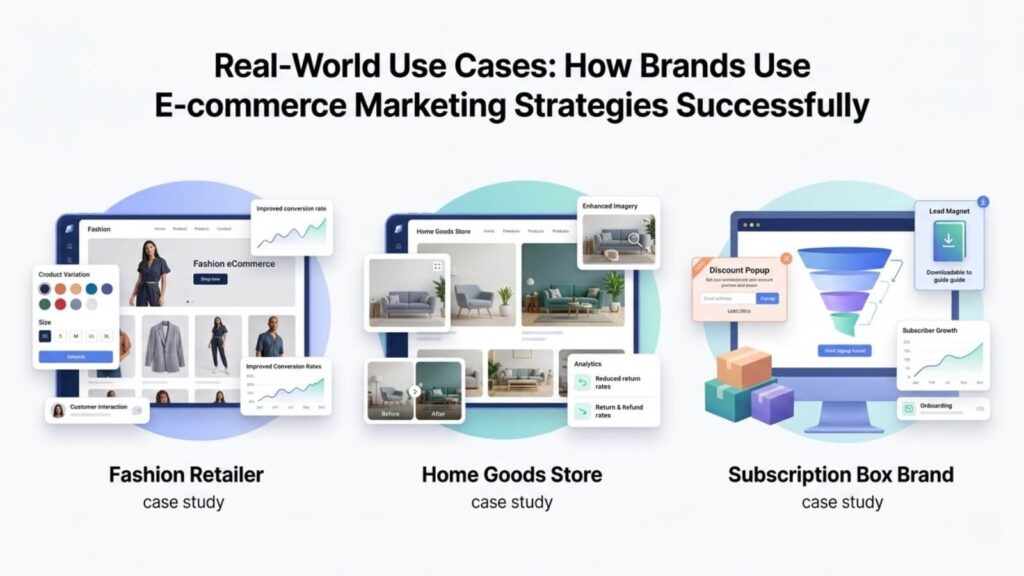
Case Study 1: Fashion Retailer Boosts Conversions with Visual Swatches
A mid-sized shoe brand noticed high bounce rates on product pages. Customers were confused by the dropdown menus for sizes and colors. After installing Variation Swatches for WooCommerce, they replaced dropdowns with visual color swatches and size buttons.
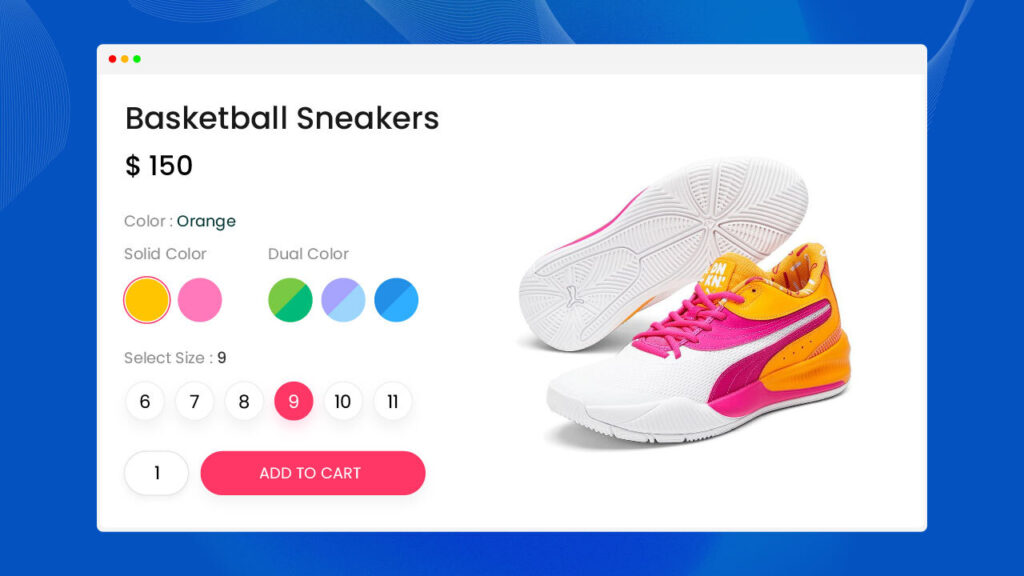
Result? A 22% increase in add-to-cart rates and a 15% drop in support tickets about sizing. Shoppers could instantly see available options, leading to faster decisions and fewer abandoned carts.
Case Study 2: Home Goods Store Reduces Returns with Better Imagery
A furniture seller struggled with high return rates due to “item not as described” complaints. They upgraded their product galleries using Additional Variation Images Gallery For WooCommerce, showing fabric close-ups, assembly views, and room-scale photos for each variant.
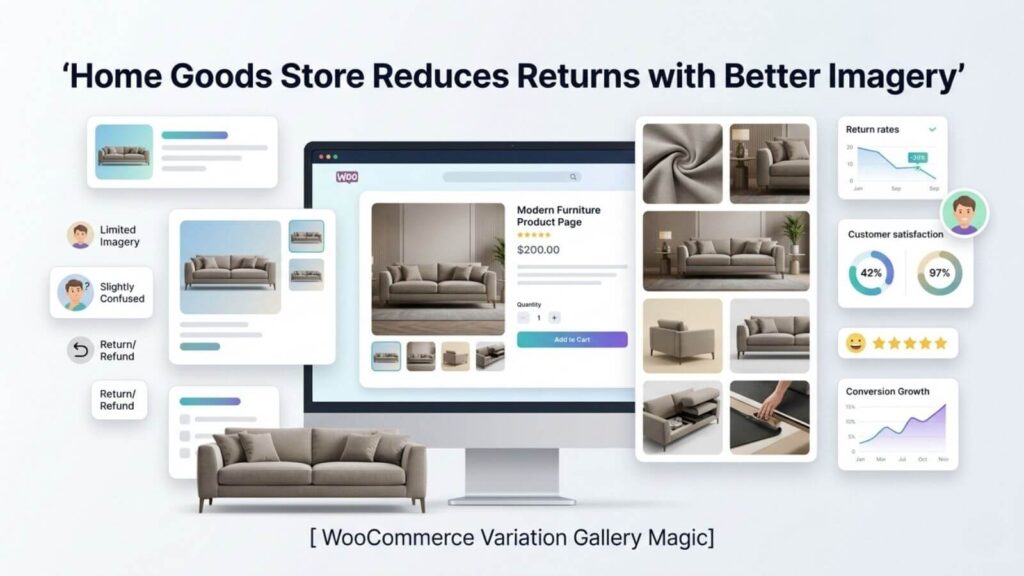
Within two months, returns dropped by 30%, and customer satisfaction scores rose. The investment in better visuals paid for itself through reduced logistics costs and improved reviews.
Case Study 3: Subscription Box Brand Grows List with Lead Magnets
A monthly snack box company used a “Free Flavor Guide” PDF as a lead magnet. Visitors entered their email to download it, then received a 3-email onboarding series highlighting bestsellers and subscriber perks.
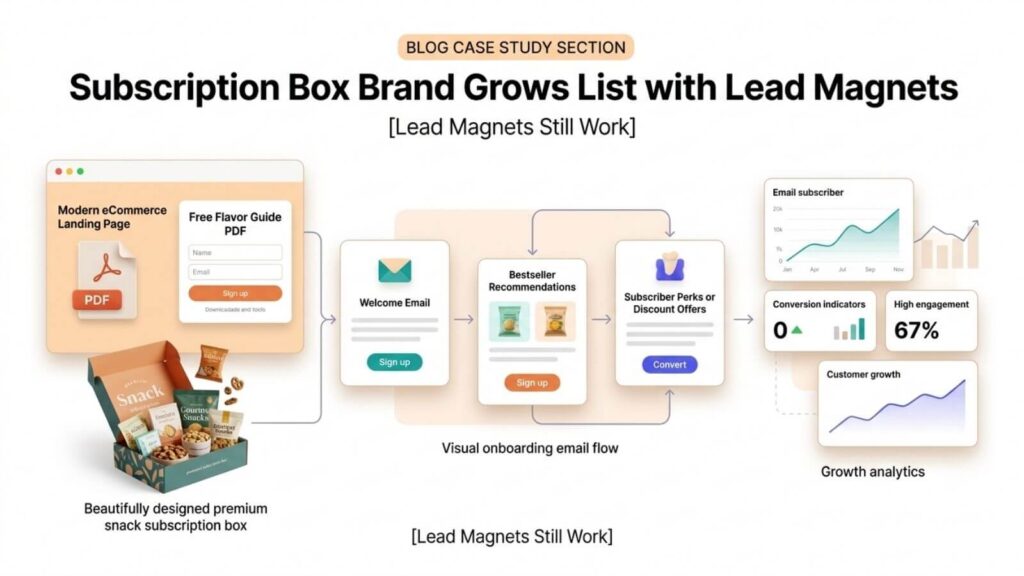
This simple tactic grew their email list by 40% in 90 days, and 68% of new subscribers became paying customers within the first month.
Common Mistakes to Avoid in Your E-commerce Marketing Strategy
Even seasoned marketers make these errors. Steer clear to maximize ROI.
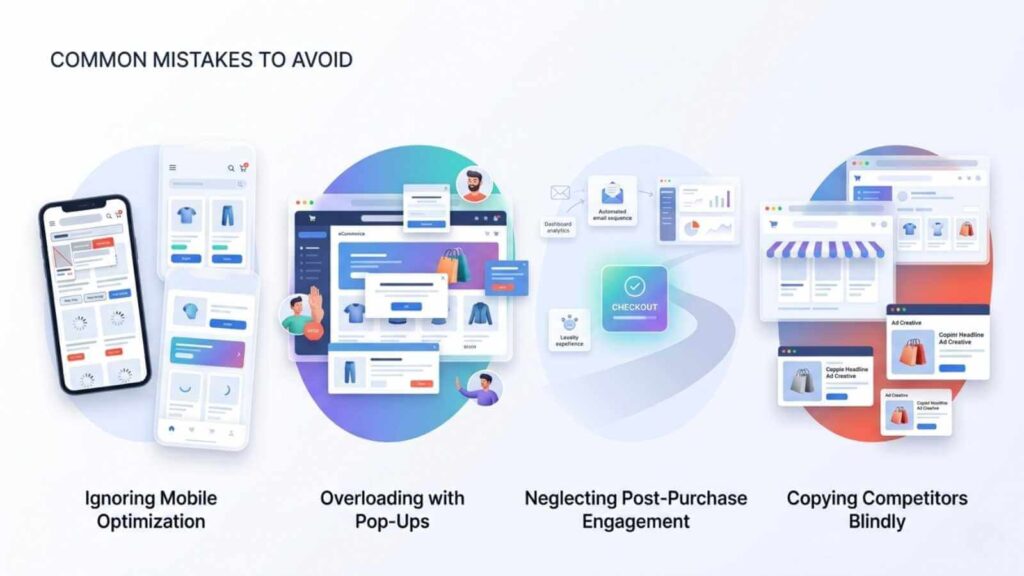
1. Ignoring Mobile Optimization
Over 60% of e-commerce traffic comes from mobile devices. If your site isn’t optimized for small screens-slow loading, tiny buttons, hard-to-read text-you’re losing sales.
Test your site on multiple devices and use Google’s Mobile-Friendly Test tool.
2. Overloading with Pop-Ups
While exit-intent pop-ups can recover lost sales, too many interruptions frustrate users. Use them sparingly and offer real value (e.g., free shipping, not just “Subscribe!”).
3. Neglecting Post-Purchase Engagement
The sale isn’t the end; it’s the beginning of a relationship. Send thank-you emails, request reviews, and offer related products. Loyal customers spend 300% more than new ones.
4. Copying Competitors Blindly
Benchmarking is smart, but mimicry kills differentiation. Your strategy should reflect your unique brand voice, values, and customer needs, not just what others are doing.
Key Takeaways
- An effective e-commerce marketing strategy combines audience insight, multi-channel execution, and continuous optimization.
- Focus on the entire customer journey- not just the purchase moment.
- Data-driven decisions beat assumptions. Track, test, and refine regularly.
- Avoid common pitfalls like mobile neglect, aggressive pop-ups, and ignoring retention.
FAQ
How often should I update my e-commerce marketing strategy?
Review your strategy quarterly, but monitor performance metrics monthly. Market trends, consumer behavior, and platform algorithms change rapidly-stay agile.
Can small businesses afford a full e-commerce marketing strategy?
Absolutely. Start with 2–3 high-impact tactics (e.g., SEO + email + one paid channel). Use free or low-cost tools, and scale as revenue grows. Many WooCommerce plugins offer affordable plans perfect for startups.
Do I need separate strategies for different product categories?
Not necessarily-but consider tailoring messaging and channels. Luxury items may benefit from Instagram storytelling, while budget essentials perform better on Google Shopping. Align tactics with product intent and audience.


Pingback:The Ecommerce Customer Journey: A Complete Guide to Converting Browsers into Buyers - GetWooPlugins
Pingback:What is FOMO Marketing and why it works so well - GetWooPlugins